

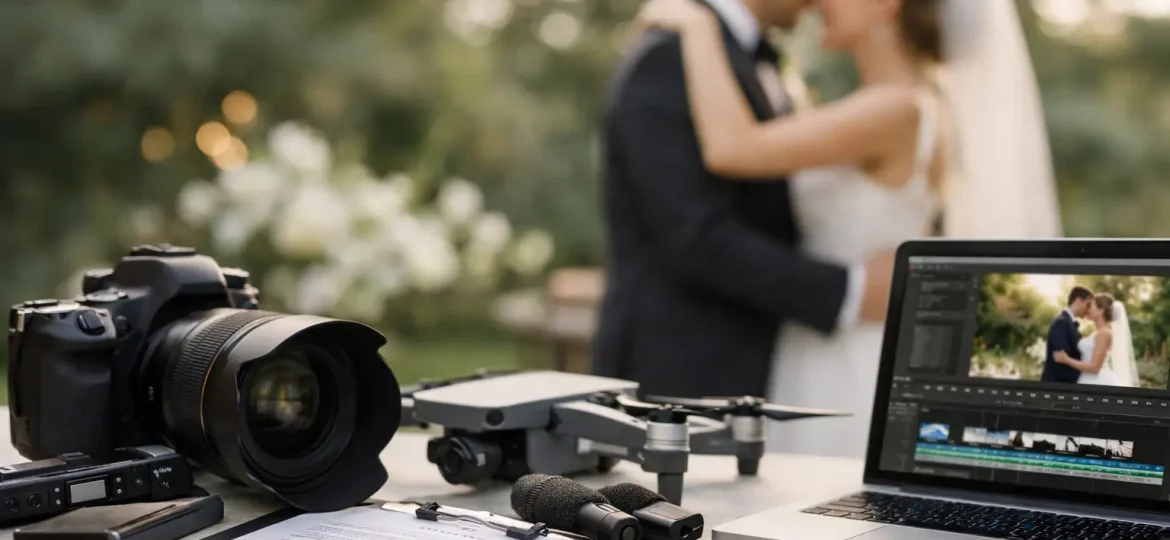
The first time you watch your wedding film, you should hear the laugh you missed while greeting guests, see the look on your partner’s face before the ceremony, and feel the energy of the dance floor all over again. That is why learning how to choose wedding videography package options is about more than comparing hours and prices. It is about deciding which parts of a once-only day deserve to be preserved in motion and sound.
A package that looks inexpensive can leave out the moments you care about. A larger package can be worth every dollar if it includes the people, audio, and events that make your wedding yours. The right fit depends on your timeline, venue, guest count, priorities, and the kind of film you actually want to watch years from now.
Start With the Moments You Never Want to Lose
Before reviewing packages, picture your wedding day from beginning to end. Do you want footage of both partners getting ready? Is a first look part of the plan? Will there be personal vows, a meaningful church ceremony, cultural traditions, speeches, or a planned exit?
Those answers determine coverage more effectively than a package name like “Silver” or “Premium.” Two weddings with the same guest count can need very different levels of coverage. A short ceremony and brunch reception may only need a focused block of coverage. A full day with separate prep locations, a large wedding party, formal speeches, and a late-night exit calls for more time and often more than one videographer.
Make a short list of your non-negotiables. If hearing your vows clearly matters most, professional audio should be at the top. If you care most about candid reactions during the ceremony and reception, prioritize enough coverage and the right camera setup. If your vision is a cinematic story rather than a simple record of events, ask how the filmmaker approaches storytelling and editing.
How to Choose a Wedding Videography Package by Coverage Time
Coverage time is the foundation of most wedding videography packages. It is also one of the easiest areas to misunderstand. Ask exactly when the videographer’s clock starts and ends, and build the answer around your real schedule rather than the invitation time.
For example, six hours may sound like plenty until you account for arrival, detail shots, getting ready, travel, the ceremony, portraits, cocktail hour, introductions, dinner, speeches, first dances, and open dancing. It may be the right amount for a streamlined wedding, but it can feel rushed for a traditional full-day celebration.
A useful approach is to work backward from the events you want filmed. If you want the final send-off, determine when it happens and count back to the beginning of the day. Then decide whether you want preparation coverage or whether the story can begin with the ceremony.
Be realistic about delays. Hair and makeup can run long. Family photos may take extra time. Houston traffic, venue restrictions, and weather can affect a schedule. A little buffer is often more valuable than trying to fit every important moment into the exact minimum number of hours.
Ask What Happens If the Schedule Changes
Your contract should clearly explain overtime rates and how additional time is approved. You do not want to be negotiating coverage during your reception. Knowing the rate in advance gives you control if the timeline changes and you want to keep filming through a major event.
One Videographer or Two?
A second videographer is not necessary for every wedding, but it can make a noticeable difference. With one person, there are natural limits. They cannot film both partners getting ready in different locations at the same time, capture your walk down the aisle and your partner’s reaction from separate angles, or cover cocktail-hour guest messages while also filming formal portraits.
For smaller weddings, a single experienced videographer may be the right choice and a smart way to protect your budget. For larger guest counts, multiple locations, long ceremonies, or reception-heavy celebrations, a second shooter can add flexibility and depth.
Ask what the second videographer will cover. The answer should be specific. Will they film prep, operate another ceremony angle, collect guest reactions, or focus on reception details? More cameras are useful only when there is a clear plan for the footage.
Look Beyond the Highlight Reel
A short highlight film is often the emotional centerpiece of a package. It can be beautiful, easy to share, and designed to tell the feeling of the day in a few minutes. But it is not the same as a full ceremony edit or complete speech footage.
Many couples assume every spoken moment will be included because it was filmed. That is not always the case. A highlight film may use only selected lines from vows or speeches. If you want to replay your entire ceremony, hear every toast, or save a parent’s full speech, ask whether those are delivered as separate edited videos.
Review the deliverables in plain language. Find out the expected length of the highlight film, whether the ceremony and speeches are included in full, and whether raw footage is available. Raw footage can be valuable, but it is not a substitute for edited footage. It may be uncolored, untrimmed, and difficult to watch without context.
Pay Attention to Audio
Great wedding video starts with great audio. Beautiful images lose their impact if the vows are muffled, the officiant is hard to hear, or a speech is buried under room noise.
Ask how audio is captured. A professional approach may include microphones or recorders for the couple, officiant, DJ, or venue sound system, along with backup recording. No method can eliminate every surprise, especially outdoors, but a videographer should have a clear plan for protecting the sound that matters.
Match the Package to the Editing Style You Want
Every filmmaker has a different rhythm. Some films are romantic and music-driven. Others are documentary-focused, with longer real-time moments and more natural sound. Some use a fast, energetic style that feels like a music video, while others create a slower, more classic record of the day.
Watch complete samples, not only social media clips. A 30-second reel can show attractive shots, but it cannot tell you how a videographer handles ceremony audio, transitions, pacing, low-light reception scenes, or emotional speeches. Look for consistency across different venues and lighting conditions.
Also ask about music. Is licensed music included? Can you suggest a mood or genre? Will the editor use the actual song from your first dance? Popular commercial music is not always available for legal use in a wedding film, so it is better to discuss expectations early.
Compare Value, Not Just the Starting Price
When you compare packages, place the included services side by side. The least expensive quote may include fewer hours, no full ceremony edit, limited revisions, or a longer turnaround time. A higher quote may include additional coverage, professional audio, a second videographer, and more complete deliverables.
The goal is not to buy every add-on. It is to spend on the elements that protect the memories you value most. If you have a firm budget, it may be smarter to choose solid ceremony and reception coverage with clear audio than to stretch for extras you will not use.
Ask whether travel, parking, venue fees, overtime, additional edits, or physical keepsakes are separate costs. Clear pricing is a sign of a professional process. You should know what is included before you book, not after the wedding is over.
Confirm the Practical Details Before Booking
A strong package should come with a clear agreement covering payment schedule, cancellation terms, delivery timeline, revision policy, and who will be filming your wedding. Ask about insurance if your venue requires it, and confirm whether the videographer has experience working with your coordinator, photographer, DJ, and venue team.
Coordination matters. Your videographer should know when to stay discreet during the ceremony, when to communicate with the photographer, and how to work around a tight timeline without pulling you away from your guests. The best footage often comes from a team that is prepared enough to stay out of the way.
For couples in the Houston area, True Songs Productions brings a creator-led approach to wedding video, combining polished production with the practical collaboration that helps a busy wedding day run smoothly.
Choose the package that gives your day room to breathe. When the coverage, audio, editing style, and team all match your priorities, your wedding film becomes more than a recap. It becomes a way to return to the voices, movement, and meaning of the day whenever you want.
