

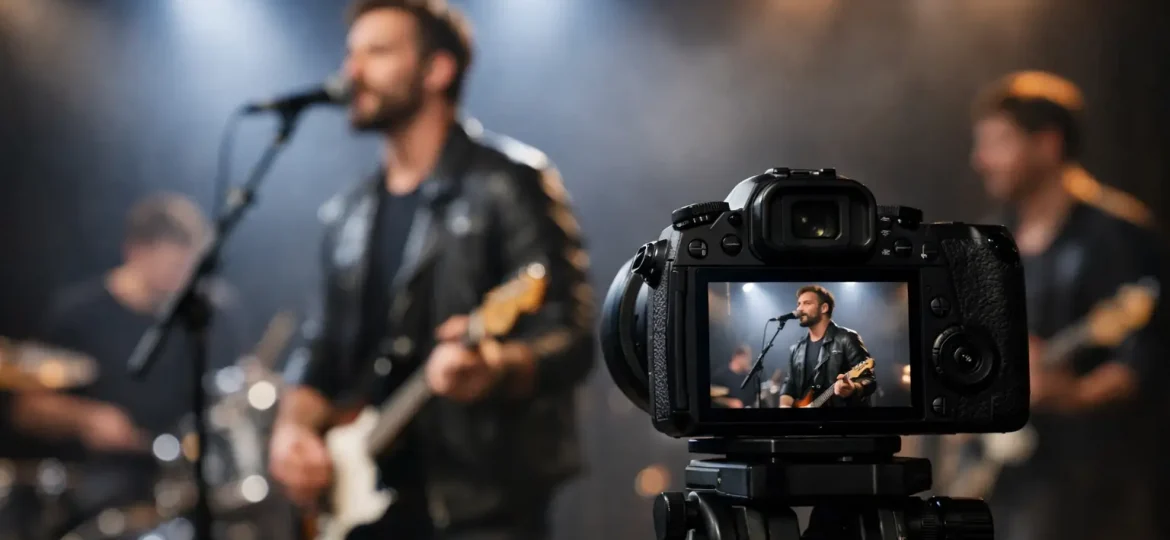
A great performance can disappear as soon as the last note fades. Live performance video recording gives artists a way to keep that moment, share it with new fans, and show bookers, collaborators, and venues what they can expect on stage. But getting usable footage takes more than placing a phone near the crowd and hoping for the best.
The goal is not to make a live set look overly polished or disconnected from the room. It is to capture the real energy of the performance while making sure the sound is clear, the artist is visible, and the final video represents the music well. Whether you are filming a one-song session, a release show, or a full concert, a little planning makes a major difference.
Plan Your Live Performance Video Recording Before the Show
The best recordings are decided before the audience arrives. Start by defining what the video needs to do. A performance clip for social media can focus on the strongest 30 to 60 seconds of a song. A full live session may need multiple songs, an interview moment, and enough visual variety to hold attention. A concert video meant for promoters should show both the artist and the connection with the crowd.
Choose the songs carefully. Your newest release may be the obvious choice, but it is not always the right performance choice. Select material the band knows well, that has a strong beginning and ending, and that gives the camera something to follow. A song with dynamic shifts, a vocal high point, or a featured instrumental section often makes better video than a song that stays visually and musically flat.
Talk through the schedule with the venue, band, and video team. Find out when cameras can load in, where they can be positioned, and whether there are restrictions around the stage or audience areas. Houston venues can vary widely in size, lighting, and access, so a quick walkthrough can prevent avoidable problems on show day.
Decide What the Viewer Should Feel
Every camera decision should support the feeling of the song. An intimate singer-songwriter performance may call for close shots, softer lighting, and a quieter room. A full band set may need wide angles that show the stage, crowd reactions, and the movement between players.
This is where having a creative partner helps. At True Songs Productions, the production process can include input from a musician and songwriter who understands where a performance builds, where the camera should find the vocalist, and which moments deserve emphasis. That perspective can make a live video feel like part of the artist’s story instead of a simple event recap.
Use Multiple Angles, but Give Each Camera a Job
One fixed camera can document a performance. Multiple cameras can turn it into a video people want to watch twice. The difference is purpose. Each camera should cover something specific rather than recording the same wide shot from slightly different places.
A wide camera establishes the room, the stage layout, and the size of the crowd. A tighter camera can stay with the lead singer, catching expressions and important vocal moments. A third angle may focus on guitar, keys, drums, or crowd reactions. If the budget allows, a moving camera can add energy during introductions, instrumental breaks, and the final chorus.
More cameras are not automatically better. In a tight venue, too many operators can block sightlines and distract the audience. For smaller performances, two well-placed cameras and a clear shooting plan can create stronger results than a crowded production setup. The right approach depends on the venue, the number of performers, and how the footage will be used after the show.
Keep Cameras Out of the Audience’s Way
The crowd is part of the live experience, but the crowd also paid to see the show. Camera placement should respect that. Position wide cameras where they can see the entire stage without standing in front of guests. Use side-stage angles where permitted, and reserve aisle movement for moments when it will not interrupt the room.
A professional crew works with the venue instead of fighting it. That means checking cable paths, keeping equipment secure, and staying aware of audience traffic. The less the production becomes a distraction, the more natural the performance will look on camera.
Treat Live Sound as Half the Video
Viewers will forgive a brief shaky shot. They will not stay with distorted vocals, muddy instruments, or audio that sounds like it was recorded from the back of the room. The strongest live performance videos combine a direct audio feed from the soundboard with carefully placed room microphones that capture the audience response and natural space.
The board mix may need adjustments for recording. A mix designed for the room is not always balanced for video. For example, a loud guitar cabinet on stage might need less guitar in the house mix, while the recording feed needs more to make the instrument feel present. Vocals, bass, and kick drum also need special attention because they carry the performance on smaller speakers and headphones.
Do not rely on camera microphones as the main source. They are useful for syncing footage and gathering room sound, but they rarely provide the detail needed for a professional music release. Record separate audio tracks when possible, then mix the performance after the event. This gives the final video clarity without removing the honest sound of a live show.
Make Lighting Work for the Camera
Stage lighting can look exciting in person and still be difficult to record. Deep blue or red washes may hide facial detail. Rapid flashing lights can create flicker in the footage. A performer standing behind bright backlighting may turn into a silhouette when the camera exposure is not set correctly.
You do not need to remove the venue’s personality to get a better image. You need lighting that gives the camera enough information. Front light on the vocalist, some separation from the background, and intentional color choices will go a long way. Before the audience enters, record a short test performance and watch it back. Check faces, skin tones, shadows, and the brightest parts of the frame.
If you are recording a controlled live session rather than a public concert, you have more freedom. You can build lighting around the music, use a clean background, and repeat sections if needed. That option is especially useful for artists who want the feeling of a live take without the uncertainty of a venue show.
Capture More Than the Song
A live performance is more than a vocalist at center stage. The moments before the downbeat, a drummer counting in, a guitarist reacting to a solo, and the audience singing a chorus can all give the edit life. These shots help tell the story of the night and create natural transitions between camera angles.
Ask the video team to capture venue details, merch tables, hands on instruments, and reactions from people who are clearly enjoying the performance. These clips should support the song, not take over the video. The artist remains the focus, but the surrounding details make the viewer feel like they were in the room.
It also helps to record a short introduction or behind-the-scenes moment before or after the set. That material can become social clips, promotional content, or a simple opening for a longer performance video. One well-planned show can provide content for weeks when it is captured with editing in mind.
Edit for Energy, Not Just Coverage
The edit is where separate cameras, direct audio, and room footage become one performance. Begin with the best audio take, sync every camera angle, and build the video around the musical structure. Cuts should feel connected to changes in rhythm, vocals, and energy. A dramatic chorus may call for faster visual movement, while a stripped-down verse may work better with longer, more personal shots.
Avoid cutting every second simply because multiple angles are available. Constant edits can make a performance feel nervous and take attention away from the song. Let important moments breathe. If the singer delivers a strong lyric or a musician lands a memorable solo, stay with it long enough for the viewer to feel the impact.
Color correction also matters. Cameras may interpret venue lighting differently, especially when one angle is under a colored wash and another is near a white spotlight. Matching those images gives the finished video a consistent, professional look. The final step is exporting versions that fit the intended platforms, from a full widescreen performance to vertical clips for social media.
Choose a Team That Understands the Music
A live video crew needs technical skills, but equipment alone does not create a compelling performance film. Look for people who understand timing, know when to anticipate a chorus or solo, and can work calmly around a live audience. They should also communicate clearly with the venue sound engineer and the performers before the set begins.
Be realistic about the project scope. A one-camera video may be enough for a casual recap. If you are using the footage to pitch venues, promote a release, or introduce your sound to new listeners, invest in audio capture, lighting support, and multiple angles. The footage becomes part of your professional presentation, and people will judge the quality before they know your story.
The best live performance video does not pretend the room was something it was not. It captures the real force of the artist, the musicians, and the audience with enough care that the moment still hits when someone watches it months later.
