

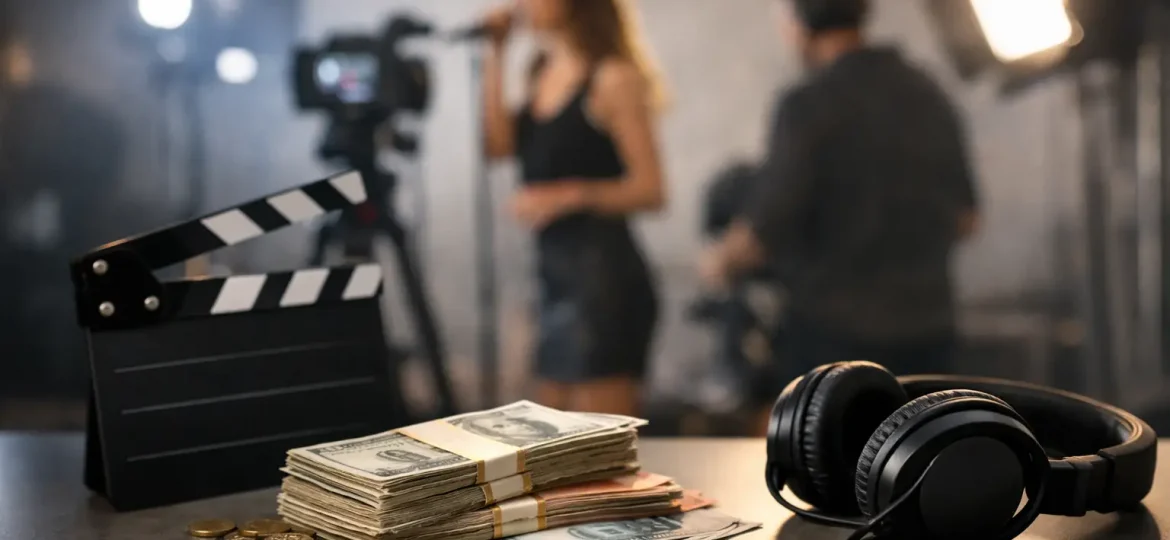
A lot of artists ask how much does a music video cost when what they really mean is, What kind of video can I actually get for my budget? That is the better question, because music video pricing can swing from a few hundred dollars to several thousand depending on the concept, crew, locations, editing, and how polished you want the final result to feel.
If you are an independent artist, the smartest move is not chasing the biggest-looking production on paper. It is building a video that fits your song, your image, and the stage of your career. A clean, well-shot performance video with strong lighting and editing can do more for your brand than an overcomplicated concept that runs out of money halfway through.
How much does a music video cost for most artists?
For most independent artists, a music video usually lands somewhere between $500 and $5,000. That is a wide range, but it reflects reality. A simple one-location shoot with basic editing costs far less than a multi-scene concept piece with actors, wardrobe changes, and heavy post-production.
At the lower end, you are usually paying for a lean setup. Think one camera operator, one location, a shorter shoot day, and straightforward edits. That can still look strong if the song is solid and the visual concept is focused.
In the middle range, usually around $1,500 to $3,500, you start getting more creative control and a more polished result. You may have better lighting, multiple setups, stronger color grading, more intentional art direction, and more time spent shaping the final cut.
Once budgets climb past that, you are often paying for scale. More people are involved. More gear shows up. More locations need to be secured. The video may include narrative scenes, dancers, specialty shots, visual effects, or a full-day or multi-day production schedule.
What you are really paying for
Music video budgets are not just about someone showing up with a camera. Most of the cost comes from time, planning, equipment, and post-production.
Pre-production
This is the part many artists overlook. Before the shoot, somebody has to shape the concept, plan the schedule, scout locations, think through wardrobe, and make sure the video can actually be filmed within budget. If pre-production is rushed, the shoot usually feels rushed too.
A simple performance video may need only light planning. A concept video with story scenes needs much more. That extra prep costs money, but it often saves money later by avoiding wasted shoot time.
Production day
This is the shoot itself. Costs here can include the videographer or director, camera package, lighting, assistants, location fees, and talent if you are using actors or dancers. The longer the shoot day and the more moving parts involved, the higher the price.
This is also where artists can accidentally overspend. A two-minute idea can turn into a ten-hour day if the concept is not realistic. More setups feel exciting in theory, but each one takes time to light, frame, and shoot well.
Editing and post-production
Editing is where the video really becomes a product. Cuts have to match the song, footage has to be organized, color has to be corrected, and the final look has to feel intentional. If the video includes effects, graphics, retouching, or more advanced color work, the price increases.
A cheap shoot can still become expensive in post if the footage is disorganized or the concept is unclear. On the other hand, a well-planned shoot often keeps editing more efficient and gives you a better final result.
The biggest factors that affect music video cost
There is no universal flat rate because every creative choice changes the workload. A few decisions have the biggest impact on price.
The first is complexity. A one-location performance video is naturally less expensive than a story-driven video with scene changes and multiple visual setups. The second is time. More shooting hours and more editing hours mean more cost.
The third is location. Shooting in a studio, private property, or an easy outdoor setting is usually simpler than filming in a rented venue or public space that requires permits, coordination, or extra scheduling. The fourth is crew size. Some videos work well with a small, agile team. Others need extra hands for lighting, styling, production support, or camera assistance.
Then there is polish. This part matters because artists often say they want a “cinematic” video without realizing what that usually requires. Cinematic does not just mean a nice camera. It often means stronger lighting, better shot design, more careful directing, and more detailed post-production.
Budget levels and what they usually look like
A smaller budget can still produce a professional music video if the concept is built around what is realistic.
At around $500 to $1,000, you are usually looking at a stripped-down shoot. This may be a performance video, a freestyle-style visual, or a single-location concept with light editing. It works best when the artist already has a strong presence on camera and the creative direction is simple.
At around $1,000 to $2,500, quality often jumps in a noticeable way. You may be able to shoot in more than one setup, get more intentional lighting, and spend more time in the edit. For many independent artists, this range is the sweet spot between affordability and a result that feels brand-ready.
At around $2,500 to $5,000 and up, you have more room to create a true concept piece. That does not automatically mean the video will be better, but it does give you more options. If your release is a major single and you plan to push it hard, that extra investment can make sense.
How to spend smart without making the video look cheap
The best way to control cost is to simplify the right things, not all things. Cutting random corners usually shows up on screen.
Start with the song. If the track is emotional and intimate, you may not need a cast, props, and three locations. If the record is aggressive and performance-driven, you might get more value from one strong setting, sharp lighting, and good camera movement than from trying to force a storyline.
Choose one visual idea and do it well. That is usually better than trying to fit five different concepts into one shoot day. Also, be realistic about outfit changes and travel between locations. Those details eat up time quickly.
If you are recording your music and planning visuals around the same release, working with a team that understands both audio and video can make the process more efficient. That is one reason artists in Houston often look for a production partner that can help shape the whole rollout, not just rent gear and hit record.
When paying more is worth it
Sometimes spending more is the right move. If the video is tied to a serious release campaign, if you need content that will represent your brand for months, or if your song has real commercial potential, the visual needs to hold up.
A weak video can make a strong song feel smaller than it is. That does not mean every release needs a huge budget. It means your visual should match your goals. If you are trying to pitch yourself for shows, build your online presence, or attract collaborators, image matters.
Paying more also makes sense when the production team brings creative direction, not just technical service. A good producer helps you avoid mistakes, tighten the concept, and use your budget where it will actually show on screen.
Questions to ask before you book
Before hiring anyone, ask what is included. Some music video quotes cover filming only. Others include concept development, editing, revisions, color grading, and social media cutdowns. If you do not ask, you may think you are comparing equal packages when you are not.
You should also ask how many hours of shooting are included, how many edits or revisions come with the project, and whether location fees or travel are separate. These details matter because a lower quote is not always the cheaper option once add-ons start stacking up.
Most importantly, ask to see work that matches the type of video you want. A team may be talented but not necessarily the right fit for your style, genre, or budget level.
So, how much does a music video cost?
The honest answer is that it depends on the idea and the standard you want to hit. A basic video may cost a few hundred dollars. A polished independent release often falls in the low thousands. Bigger concepts can go much higher.
What matters most is not picking a number out of thin air. It is matching your budget to a clear plan, a strong song, and a production team that knows how to make you look your best on screen. If the concept is smart and the execution is solid, the right music video does not just support the song. It gives people a reason to remember it.
