

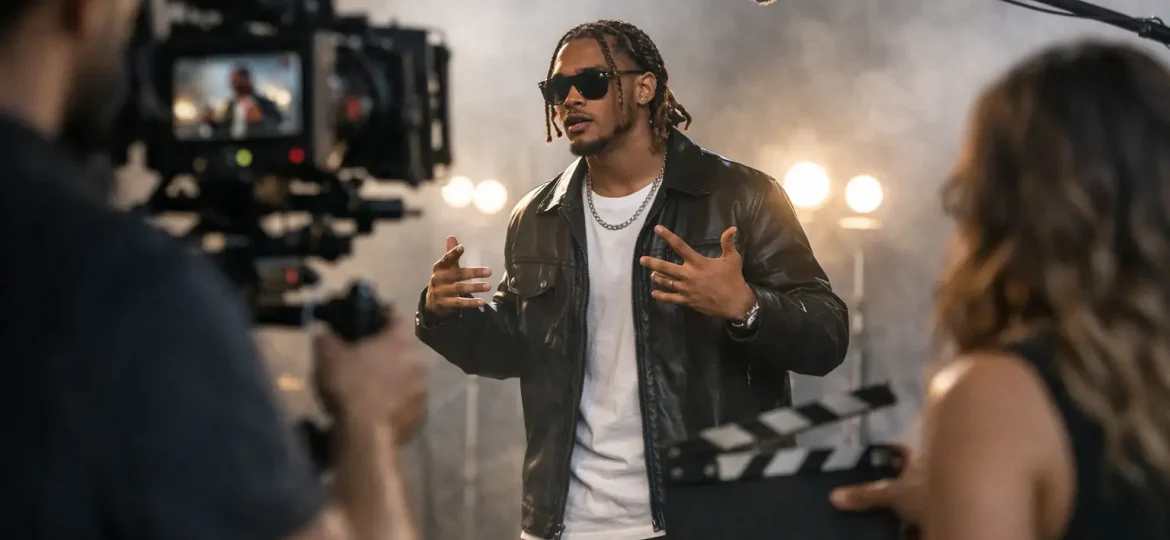
A great song can still get skipped if the visual doesn’t match the energy. That’s why a smart music video shoot for artists is not just about getting cool footage. It’s about building a visual that fits the record, fits the artist, and gives people a reason to stop scrolling.
For independent artists, the pressure is real. You need content that looks professional, feels authentic, and helps your release move. You also need a process that doesn’t waste your budget or leave you with a video that looks good for ten seconds and falls apart after that. The best shoots start long before the camera turns on.
What makes a music video shoot for artists actually effective
A strong video does two jobs at once. First, it supports the song. Second, it shapes how people remember you as an artist. If either part is missing, the result can feel disconnected.
Some artists make the mistake of chasing visuals that look trendy but have nothing to do with the track. Others go too simple and end up with footage that feels flat. The right answer usually sits in the middle. You want a concept that gives the song a clear visual identity without forcing a style that doesn’t fit your image.
That’s where pre-production matters most. Before anyone talks about lenses, lighting, or locations, you need to know what the song is saying and how you want people to feel when they watch it. A performance-driven video can be powerful if the song carries emotion and the artist knows how to sell it on camera. A story-based video can work well when the lyrics paint a clear picture. A hybrid approach often gives artists the most flexibility because it combines performance shots with simple narrative scenes or lifestyle visuals.
Start with the song, not the camera
Every solid video begins with the track itself. Tempo, mood, genre, and lyrical focus all affect the visual direction. A stripped-down acoustic record usually needs a different shooting style than a club record or a hard-hitting rap single.
Ask a few practical questions early. Is this song meant to introduce you to new listeners or deepen your brand with existing fans? Are you pushing emotion, energy, attitude, or storytelling? Do you want the video to feel polished and cinematic, raw and intimate, or direct and performance-based?
These decisions shape everything that follows. Wardrobe, location, camera movement, editing pace, and lighting should all feel connected to the music. When they don’t, viewers may not know why the video feels off, but they will feel it.
Budget affects more than quality
Artists often think budget only changes how expensive a video looks. It also changes what kind of concept is realistic. A low-budget shoot can still look strong if the idea is focused and the production is planned well. A weak concept with a bigger budget can still miss.
The smart move is to build around what matters most on screen. That could mean choosing one great location instead of three average ones. It could mean spending more on lighting and less on props. It could mean keeping the cast small so the schedule stays tight and the footage stays clean.
There are always trade-offs. More setups may give you variety, but they also eat time. More locations may make the video feel bigger, but they create more room for delays. Bigger crews can help a shoot move faster, but only if the vision is organized. A good production plan protects your money by keeping the concept achievable.
The concept has to fit the artist
This is where many artists either level up or lose the room. A concept should elevate your image, not hide it. If the video asks you to act in a way that doesn’t feel natural, it usually shows on camera.
That doesn’t mean you should always play it safe. It means the idea should still feel believable for your brand, your personality, and your audience. If you’re an artist with a grounded, personal sound, a flashy performance setup may feel forced. If your music is built on confidence and energy, a slow art-house concept may not carry enough punch.
The best videos make the artist look comfortable, clear, and memorable. That takes creative direction, but it also takes honesty. Sometimes the strongest idea is not the biggest one. It’s the one you can perform with conviction.
Pre-production is where shoots are won or lost
A smooth shoot day usually comes from strong planning, not luck. Once the concept is approved, the next job is turning creative ideas into a practical schedule.
That means locking in the location, shot list, call times, wardrobe, and performance plan ahead of time. If there are multiple scenes, each one should have a purpose. If there are props, they should be ready before the shoot starts. If playback is needed on set, test it. If hair, makeup, or styling matters for the final look, build time for it.
Artists also need to prepare for the camera, not just the song. Knowing your lyrics is one thing. Delivering them with expression, control, and consistency across multiple takes is something else. Good performance footage often comes down to repetition and energy. You may need to hit the same section several times from different angles, and it still has to feel real.
This is one reason working with a team that understands both music and video makes a difference. When the people behind the camera understand song structure, artist performance, and how a track should land visually, the process gets more efficient.
Choosing the right location for a music video shoot for artists
Location does a lot of heavy lifting. It sets tone, adds production value, and can save or cost you time depending on how well it fits the plan.
A controlled indoor space gives you consistency. Lighting is easier to manage, sound playback is simpler, and weather won’t ruin the day. Outdoor locations can add scale and character, but they bring variables like traffic, heat, noise, changing light, and permit issues.
Neither option is automatically better. It depends on the concept. If the mood of the song needs texture and atmosphere, an outdoor or on-location shoot may be worth the extra work. If the focus is artist performance and visual polish, a controlled setup can often produce better footage in less time.
For artists in the Houston area, local access matters too. A nearby studio or practical location can reduce stress, tighten the schedule, and leave more room in the budget for what shows up on camera.
Why performance direction matters so much
A lot of artists assume the camera will do the work. It won’t. Camera quality helps, but presence sells the shot.
Performance direction is not about making someone look fake. It’s about helping the artist control posture, eye line, movement, and energy so the footage reads well. What feels exaggerated in person may look perfect on screen. What feels subtle in the moment may disappear in the edit.
That’s why an experienced production partner gives feedback in real time. Small adjustments can change everything. A better angle, a stronger take, or a sharper movement can turn an average setup into a standout scene.
Editing is where the video becomes a release asset
A shoot is only half the job. Editing shapes pace, emotion, and clarity. It decides what the audience notices and what they remember.
The editor needs enough usable footage to build around the track without forcing weak shots into the timeline. Coverage matters. So does variety. Close-ups, wide shots, movement shots, and detail shots all give the video rhythm.
Color, transitions, visual effects, and cut speed should support the song rather than distract from it. Fast edits can work for high-energy music, but too many tricks can make a video feel dated quickly. Clean editing usually lasts longer.
This is also where artists should think beyond one upload. A strong video shoot can create more than the final release. Behind-the-scenes clips, teaser edits, vertical cutdowns, and social content can all come from the same production if it’s planned the right way.
Work with people who can build the full picture
If your song is still being developed, or if the visual concept feels vague, it helps to work with a team that can support more than just the camera side. True Songs Productions takes that approach by combining music and video production with hands-on creative input, which can be a real advantage for artists who want the sound and visual to feel connected.
That matters because a music video is not separate from your release strategy. It’s part of how people experience the record. When the production team understands the artist, the song, and the goal, the final result usually feels stronger.
A music video does not need to be oversized to make an impact. It needs to be clear, well-produced, and built around the right idea. If your visual makes the song hit harder and makes your image easier to remember, the shoot did its job.
