

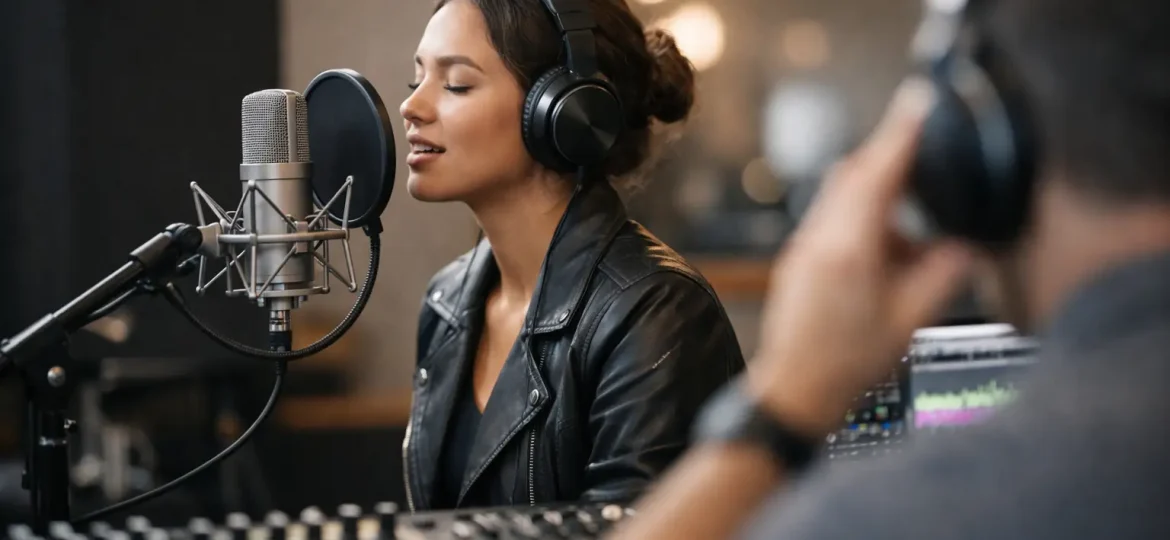
A vocal can be perfectly in tune and still fail to connect if it sounds boxed in, harsh, distant, or unsure. That is why a guide to recording vocals professionally starts before the record button. Great vocal production is not about chasing expensive gear or fixing everything with effects. It is about capturing a convincing performance in a space, setup, and session that let the singer do their best work.
For independent artists, the goal is simple: record a vocal that feels like the record, not a demo you have to apologize for later. That takes preparation, smart microphone technique, patient direction, and enough attention to detail that the final mix has something strong to work with.
Start With a Song That Is Ready to Sing
A recording session should not be the first time a vocalist tries to remember the melody or decide where the words land. Before entering the booth, know the song’s structure, lyric changes, harmonies, and key. If a chorus consistently pushes the singer to strain, changing the key before recording can save hours of retakes and produce a better emotional result.
Practice with the actual instrumental, not just an acoustic version or phone recording. The tempo, drum pattern, and arrangement affect phrasing. A singer may need to leave more space around a busy beat, lean into a held note over a sparse section, or change how they attack consonants when the track has a strong rhythm.
Print or display a clean lyric sheet, even if the artist knows every word. Mark breaths, doubles, ad-libs, harmony entrances, and any lines that need a different tone. This keeps the session moving and allows the artist to focus on performance rather than memory.
Build a Recording Setup That Serves the Voice
The microphone matters, but the room and placement matter just as much. A good mic in an untreated, reflective room can capture every harsh bounce from the walls. A modest setup in a controlled space can sound surprisingly polished. The aim is to record the singer’s voice, not the room around them.
Use a pop filter and place the vocalist roughly six to eight inches from the microphone as a starting point. This distance helps control plosives from sounds like P and B while keeping the vocal present. If the singer has a powerful voice or gets sharp on high notes, moving back slightly may create a smoother capture. If the performance needs an intimate, close sound, move closer carefully while watching for excessive bass buildup and breath noise.
Headphone level is part of the setup too. If the track is too loud, singers often push their voices, lose pitch control, or sing with less nuance. If it is too quiet, they may feel disconnected from the song. Give them enough instrumental to lock into the groove, while keeping their own vocal loud enough to hear pitch and tone clearly.
Set Gain for Real Performance Levels
Set input gain during the loudest part of the song, not during a quiet verse. Ask the vocalist to sing the biggest chorus with full energy, then leave enough headroom so those peaks do not clip. Digital clipping is difficult to repair and rarely sounds musical.
Do not chase a huge waveform while recording. A healthy, clean level gives the mix engineer room to use compression, EQ, saturation, and automation later. Recording too hot only creates problems. If the singer changes volume dramatically, adjust their technique and distance first, then make small gain changes if needed.
Record the Performance Before Chasing Perfection
A professional vocal is more than a collection of technically correct notes. It has attitude, phrasing, breath, tension, release, and a point of view. A slightly imperfect take with real feeling can be more powerful than a perfectly edited performance that sounds cautious.
Start by recording one or two full passes of the song. These early takes give the singer time to settle in and reveal where the song naturally wants to go. Resist stopping after every small mistake. Constant interruptions can make a vocalist self-conscious and break the emotional arc of the performance.
After full passes, focus on specific sections. Record several versions of the chorus, difficult transitions, and any lyric where the emotion feels flat. Give clear direction instead of vague feedback. Rather than saying, “Make it better,” try, “Pull the first line back like you are telling someone a secret, then open up on the last word.” Specific direction gives a singer something usable to perform.
It also helps to separate technical notes from creative notes. If a line is out of tune, handle that first. Then work on tone, intensity, or timing. Asking an artist to fix five things at once usually leads to a take that feels stiff.
Use Comping to Create One Strong Lead Vocal
Most finished songs are built from multiple takes. Comping means selecting the best phrases, words, or even syllables from several performances and combining them into a final lead vocal. This is standard professional practice, not a shortcut.
The key is to comp for consistency as well as quality. A word may sound great by itself but feel wrong if the tone, volume, or emotion changes sharply from the line before it. Listen through the song in context. The best lead vocal should feel like one committed performance from beginning to end.
Keep a favorite full take intact whenever possible. It can become the foundation of the comp and preserve the natural flow of the performance. Then replace only the moments that genuinely need improvement. Excessive editing can remove the personality that made the take work in the first place.
Record Doubles and Harmonies With Purpose
Doubles make a vocal sound wider and more energetic, especially in pop, rock, hip-hop, and modern R&B. They should be recorded as new performances, not copied from the lead track. Small differences in timing and pitch are what create the width.
Not every line needs a double. A common approach is to keep verses more direct and bring doubles into choruses, key phrases, or the final hook. This creates contrast and makes the arrangement grow naturally.
Harmonies should support the lead, not compete with it. Plan where they enter and what role they play. A simple third above a chorus may be all the song needs. More layers can sound impressive, but they can also crowd the lyric and make the lead less clear. It depends on the genre, arrangement, and the message of the song.
Edit Carefully, Then Mix for Clarity
Editing is where a strong vocal becomes dependable. Clean obvious clicks, distracting breaths, headphone bleed, and long gaps between phrases. Tighten timing when it distracts from the groove, but do not force every word onto a grid. Human timing is often part of what makes a vocal feel alive.
Pitch correction is useful when it supports the performance. It can smooth a note that is slightly off or help stacked harmonies lock together. Used too aggressively, it can flatten expression and make every phrase sound identical. Some styles want that polished, electronic effect. Others need a more natural result. The right choice is the one that fits the song.
In the mix, start with the lead vocal at a level where every important word is understandable. Then use EQ to reduce muddiness or harshness, compression to control uneven dynamics, and de-essing to tame sharp S sounds. Reverb and delay add space, but they should enhance the vocal instead of pushing it into the background.
Automation is often the final difference-maker. A vocal rarely stays at one perfect volume throughout a song. Ride up a quiet word, ease down an aggressive phrase, and let the chorus lift without simply turning everything louder. These small moves help the listener stay connected to the lyric.
Know When a Studio Partner Adds Value
Recording at home can be useful for writing, practice, and building ideas. But when the song needs to compete on streaming platforms, represent your artistry, or support a music video release, an experienced producer and recording environment can make the process faster and more focused.
At True Songs Productions, artists can work with a hands-on creative partner who understands both the technical side of vocal recording and the bigger picture of the song. That may mean finding the right key, developing harmonies, tightening a lyric, choosing a stronger take, or preparing audio that is ready to pair with polished video content.
Give your voice time to settle, keep water nearby, and take short breaks before fatigue turns into frustration. The take that becomes the record is often not the loudest or most complicated one. It is the one that sounds honest, controlled, and completely connected to the song.
