

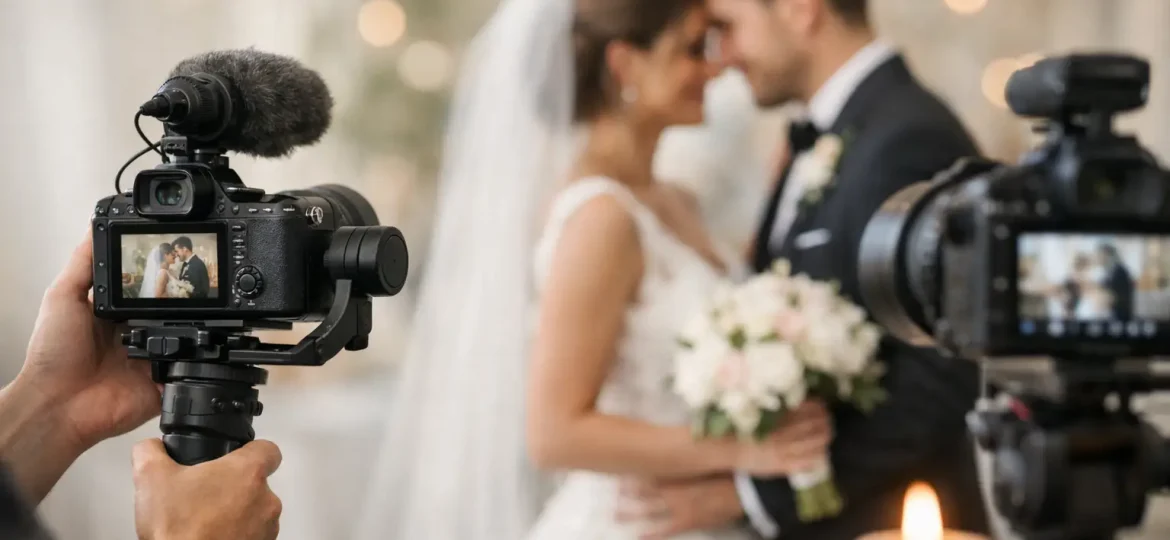
The first dance lasts a few minutes. Your grandmother’s laugh during the toast, the crack in your voice as you read your vows, and the way your partner looks at you before the ceremony lasts even less. That is why couples ask, is wedding videography worth it when they are trying to make a wedding budget work? For many, the answer becomes clear after the day is over: photos show how it looked, while video lets you hear and feel how it happened.
A wedding film is not essential for every couple or every budget. But it is one of the few investments that becomes more valuable with time. The right decision comes down to what you want to remember, what kind of coverage fits your day, and whether you hire a professional who can capture real moments without making the celebration feel like a production set.
What Wedding Video Captures That Photos Cannot
Photography and videography work well together because they preserve different parts of the same story. A great photo can freeze the exact second your father sees you ready to walk down the aisle. Video captures his voice, the pause before he speaks, and the reaction you may have missed while you were living it.
Sound is the biggest difference. Your vows are personal. The speeches took time and probably made half the room laugh or cry. A professional wedding videographer records clean audio so those words do not disappear after one busy evening. Years later, hearing the people you love can be more meaningful than seeing another posed portrait.
Video also preserves movement and atmosphere. You remember the dance floor being full, but a film lets you see who was there, how the room looked, and the small interactions happening around you. It can include the nervous energy before the ceremony, the music during the reception, and the guests who traveled a long way to celebrate with you.
That does not make photos less important. It simply means they serve a different purpose. Photos are easy to frame, share, and revisit in seconds. A wedding film gives you a fuller experience when you want to return to the day.
Is Wedding Videography Worth It on Your Budget?
It depends on what you are giving up to make room for it. If hiring a videographer means going into debt or cutting something that affects the comfort and experience of your guests, take a practical look at the numbers. No wedding vendor should create financial stress that follows you into married life.
But couples often compare videography to details that are used once: extra floral arrangements, upgraded linens, specialty favors, or a late-night snack station. Those choices can be fun and beautiful, but they are temporary. Video is a keepsake you can watch on your first anniversary, share with future family members, or revisit after the people in it are no longer with you.
The question is not whether wedding video is worth more than every other wedding expense. It is whether preserving voices, movement, and emotion matters enough to you to prioritize it over a few one-day upgrades. For couples who value memories, family, music, and storytelling, it usually does.
When It Is Especially Worth Prioritizing
Wedding videography carries extra value when important people may not be able to attend future milestones, when family is traveling in from different states, or when you have planned meaningful vows and speeches. It can also matter more for couples who know the day will move quickly. Most newlyweds are surprised by how much they miss while greeting guests, changing locations, and trying to be present.
A wedding with live music, cultural traditions, choreographed dances, or a unique venue also gives video more to work with. These are experiences built around sound and motion. A still image can hint at them, but a well-edited film lets them breathe.
When a Smaller Package Makes More Sense
You do not always need all-day coverage, multiple videographers, drone footage, and a feature-length film. A shorter package can be a smart option if your ceremony and reception are in one location, your guest count is smaller, or you mainly want the vows, toasts, and a polished highlight film.
Ask yourself which moments you would be most disappointed not to have. If the ceremony is your priority, make sure your package includes reliable audio and enough time to capture it properly. If your family is known for great speeches and a packed dance floor, reception coverage may be the better investment.
What You Are Actually Paying a Videographer to Do
A wedding video is not simply someone pointing a camera at the room. Professional coverage involves planning, gear, technical judgment, editing, and a calm presence on a high-pressure day.
Before the wedding, a videographer needs to understand the timeline, venue rules, lighting conditions, key family moments, and your preferences. On the day, they have to work around photographers, guests, coordinators, changing weather, dim reception lighting, and events that do not happen twice.
Afterward comes the work couples rarely see. Footage has to be reviewed, organized, color-corrected, stabilized, edited, and paired with usable audio. The final film needs pacing. It should feel personal and polished, not like a long collection of random clips.
That is also why the cheapest option is not always the best value. A friend with a good camera may capture a few nice shots, but wedding video requires more than good equipment. If a camera stops recording during the vows or audio is unusable, there is no second take.
How to Choose a Wedding Videographer You Trust
Start with their finished work, not just a highlight reel. Highlights show style, but full ceremony and speech samples show whether the videographer can handle real audio, long-form editing, and the less glamorous parts of the job. Listen closely to the vows and toasts. Are voices clear? Does the music support the moment instead of overpowering it?
Then look for a style that matches your wedding. Some couples want a cinematic film with dramatic music and carefully composed shots. Others want a natural documentary feel that captures events as they unfold. Neither is better. The best choice is the one that feels like you.
Communication matters just as much. Your videographer should be clear about coverage hours, delivery timing, number of films included, revision policy, audio plans, and backup procedures. You should know whether they will work alongside your photographer smoothly and whether they have experience with your type of venue.
For Houston-area couples, it also helps to work with a local production team that understands how quickly outdoor light, weather, and venue logistics can change. True Songs Productions brings music and video production experience to wedding coverage, with an eye for clean sound, strong visuals, and a final film that feels true to the people in it.
Set Your Film Up for Better Moments
Your videographer can do more with a thoughtful timeline. Build in a few quiet minutes after the ceremony for portraits and a short private moment together. These pauses create room for genuine interaction instead of rushed footage.
Share names of the people making speeches and tell your videographer about any surprise performances, family traditions, or meaningful songs. If you have written your own vows, consider giving them a printed copy after the ceremony. Small preparation choices help the editing tell a more complete story.
Most of all, do not spend the whole day performing for the camera. Be with your partner. Hug your people. Let yourself react. The best wedding films do not feel staged because the couple was busy having a real wedding.
A wedding video is not about proving that every detail was perfect. It is about keeping the parts that were alive: the words, the music, the people, and the feeling of being surrounded by everyone who showed up for your next chapter.
