

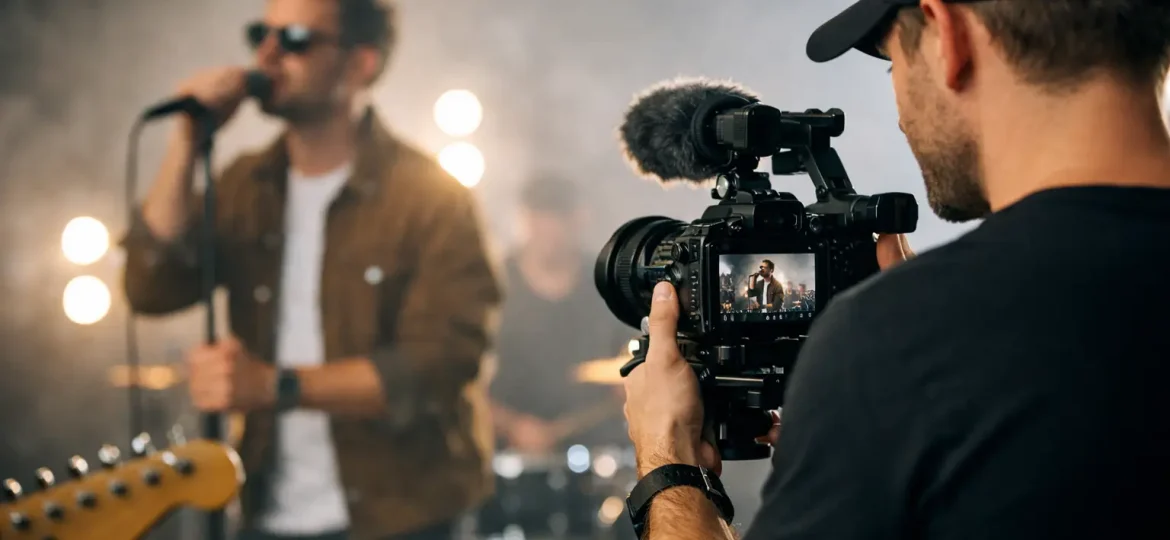
A music video can make a great song feel larger than life, or make a strong release look unfinished. That is why searching how to choose music videographer services should involve more than finding someone with a camera and an open date. You need a creative partner who understands your music, can make clear production decisions, and knows how to deliver a video you will be proud to promote.
For independent artists, the right video is not always the biggest production. It is the one that matches the song, fits the budget, and gives listeners another reason to remember your name. Here is what to look for before you book.
Start With the Song and the Goal
Before comparing videographers, get clear on what the video needs to do. Is this a performance video built to introduce you as an artist? Is it a story-driven concept for a song with strong lyrics? Do you need polished content for a new release, social clips for promotion, or a visual that can help you pitch venues, blogs, and collaborators?
A videographer can only help shape a concept if you can explain the direction. You do not need a complete shot list or a film-school vocabulary. A few honest answers will do: What feeling should people have after watching? What part of the song needs to stand out? Where will the video be shared? What is non-negotiable for your image?
A moody R&B track may call for controlled lighting, close-ups, and a slower visual pace. An energetic rap or rock song may need movement, performance coverage, and edits that hit with the beat. If you are unsure, look for a videographer who asks useful questions and brings ideas without trying to turn every song into the same kind of video.
How to Choose a Music Videographer by Their Work
A demo reel is useful, but do not stop there. Reels are designed to show a creator’s best few seconds. Ask to see full music videos, especially projects that are close to your genre, desired mood, or production scale.
As you watch, pay attention to whether the images support the song. Are the edits timed with the rhythm? Does the lighting flatter the artist? Can you see faces, wardrobe, and locations clearly when the video calls for it? Is there enough visual variety to hold attention through the entire track?
Style matters, but consistency matters more. A videographer may have one impressive cinematic clip, yet their full projects may feel rushed, dark, shaky, or loosely edited. Look for work that is clean from beginning to end. You want proof that they can plan, shoot, and finish a complete release, not just capture a few great moments.
It also helps to look for range. Range does not mean they need to make every genre of video. It means they can adapt their approach to the artist instead of forcing every client into one visual formula. The best work should feel like the performer, not like a copy of the videographer’s last project.
Ask Who Will Handle the Creative Process
Some videographers are strongest when a client arrives with a finished concept, locations, wardrobe, and schedule. Others can help develop the idea from the ground up. Neither approach is wrong, but you should know which kind of support you are paying for.
Ask how the process works before the shoot day. Will you have a planning call? Does the videographer help with treatments, references, shot lists, locations, or casting? Who coordinates the schedule? What happens if the weather changes or a location falls through?
For first-time artists, this planning support can make a major difference. A creative idea that sounds simple can become expensive or difficult once you add permits, actors, props, travel, and several locations. A good production partner will help you protect the strongest part of the concept while cutting anything that does not serve the song.
If you already have a detailed vision, you still need someone who can communicate clearly. They should be able to tell you what is realistic, where more time is needed, and which decisions will affect the final look. Honest guidance is more valuable than a quick yes to every request.
Compare Quotes Based on Scope, Not Just Price
The lowest quote can become the most expensive choice if it leaves out planning, equipment, editing, revisions, or delivery files. When you request pricing, make sure each proposal covers the same basic scope.
A useful quote should make clear what is included in the shoot, how many hours are scheduled, whether additional crew or equipment is needed, and what the finished deliverables will be. Ask about editing, color correction, visual effects, performance syncing, travel, location fees, and the number of revision rounds.
Do not assume a higher price automatically means better work, either. A larger production may be worth it if the concept needs multiple locations, lighting setups, actors, or specialized gear. But a focused one-location performance video can look excellent with a smaller crew and a well-planned day. Spend where the song will show it on screen.
Be realistic about the trade-off between time and ambition. If you want six locations, a narrative, wardrobe changes, drone footage, and a night shoot, one afternoon will probably not be enough. A videographer who explains that upfront is helping you avoid a disappointing final product.
Make Sure Communication Feels Easy
Music video production moves fast, and unclear communication creates problems quickly. Pay attention to the experience before you book. Do they respond to your questions directly? Do they explain the next step? Do they listen when you describe your song and references?
You do not need someone who agrees with every idea. You need someone who respects your direction and can offer a better solution when needed. If a videographer cannot give a clear answer about timing, pricing, revisions, or delivery before a deposit is paid, that uncertainty usually will not improve later.
Chemistry matters, too. You will be performing on camera, often repeating lines and movements for several takes. You should feel comfortable enough to take direction without feeling rushed or embarrassed. The right environment helps you give a stronger performance, and your confidence will show in the final edit.
Confirm the Details That Protect Your Release
Before the production begins, put the important details in writing. A simple agreement should identify the project scope, payment schedule, shoot date, cancellation or rescheduling terms, expected turnaround, included revisions, and final deliverables.
You should also understand how the footage will be handled. Will you receive the final video in the format needed for YouTube and social media? Are vertical clips or short promotional edits included? Is raw footage available, and if so, does it cost extra? These are normal questions, not signs that you are difficult to work with.
Rights are another key conversation. Confirm that you can use the finished video to promote your song wherever you choose, including streaming platforms, social media, press outreach, live shows, and paid ads. If the production uses actors, stock footage, rented locations, or special effects, make sure those elements are cleared for your intended use.
Choose a Partner Who Can Help You Look and Sound Connected
A music video should not feel separate from the record. Your wardrobe, performance, pacing, color, and story should all support the sound you worked hard to create. That is especially valuable when your audio and video teams can communicate during the process.
For artists in the Houston area, True Songs Productions brings recording and video production together under one creative roof. That can make it easier to move from a finished track to a visual concept without losing the personality of the song along the way.
The best choice is the videographer who understands your goal, shows reliable finished work, explains the scope clearly, and makes you feel prepared to perform. Bring them a song you believe in, give the process enough time, and let the final video give your audience a reason to press play again.
