

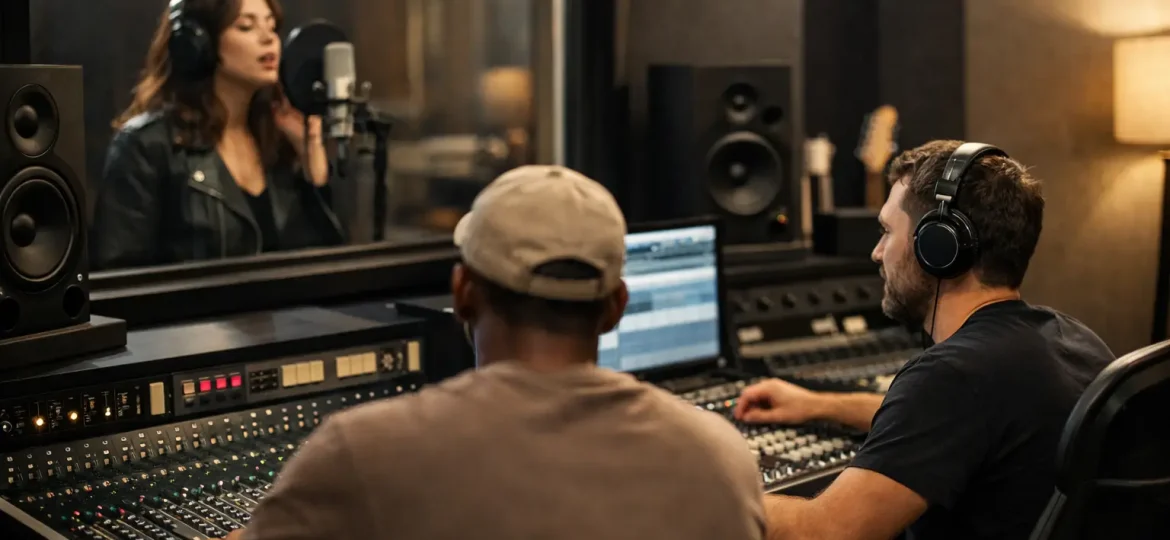
A great recording rarely starts with a perfect first take. It starts with a clear idea, a comfortable room, and enough preparation to let the artist focus on the performance. If you are wondering what happens during a studio session, the short answer is that your song moves from an idea in your head to recorded material that can be shaped, refined, and shared.
For first-time artists, the process can feel intimidating until the session begins. For experienced musicians, it is where the details that separate a demo from a release-ready track get real attention. The exact schedule depends on your goals, the complexity of the song, and whether you need production support, but the work usually follows a practical flow.
Before Recording Starts, the Session Gets Organized
A productive studio session begins before anyone sings into a microphone. You and the producer or engineer talk through the song, the reference sound you have in mind, and what needs to be accomplished that day. That could mean recording a finished vocal, building an instrumental around a lyric, tracking live guitar, or improving a rough demo.
Bring whatever helps communicate your direction. A phone demo, beat, lyric sheet, chord chart, reference songs, and notes about vocal harmonies can all save time. You do not need to have every answer. Many artists come in with a strong hook and a partial concept, then develop the rest with hands-on creative support.
The session also needs a realistic scope. Recording one polished lead vocal over a completed beat is very different from producing a full song with instruments, backgrounds, edits, and vocal tuning. Being clear about the goal helps you use studio time well and prevents the frustrating feeling of rushing the best part of the process.
Setup and Sound Check Set the Tone
Once the plan is clear, the studio gets set up for the artist and the song. The engineer selects the right microphone, prepares the recording software, creates a session file, and makes sure headphones, playback, and levels are working correctly. If live instruments are involved, they are connected, tuned, and checked before tracking begins.
Then comes the sound check. You may sing a verse, play through a section, or speak into the microphone while the engineer adjusts input levels and headphone volume. This is not a test you can fail. It is simply how the room, microphone, voice, and track are matched so the recording sounds clean and comfortable.
A good headphone mix matters more than many new artists realize. If the beat is too loud, the vocal is too quiet, or there is too much reverb in the headphones, it can affect confidence and pitch. Let the engineer know what you need. Some vocalists want a dry, direct sound. Others perform better when they hear a little reverb or delay. The best setup is the one that helps you deliver your best take.
What Happens During a Studio Session When You Record
Recording is usually done in sections rather than as one pressure-filled performance from beginning to end. You might record several versions of a verse, then move to the hook, bridge, harmonies, ad-libs, or spoken intro. This approach gives you options and lets you focus on the feeling and precision of each part.
The engineer records multiple takes and listens for the strongest moments. Sometimes the best vocal is one complete pass. More often, a final lead is built from the best lines and phrases across several takes. This is called comping, and it is a normal part of modern recording. It does not replace a real performance. It helps preserve the strongest version of it.
Expect direction during the process. You may be asked to change a word ending, hold a note longer, add more energy to a line, pull back on another line, or try a different melody. That feedback should serve the song, not make you feel like you have to become someone else. A producer who understands your goals can help you hear possibilities you may have missed while keeping your voice at the center of the record.
There is also plenty of stopping and starting. A session can include playback, quick adjustments, conversations about a lyric, a few moments to reset, and another take. That is not wasted time. It is how the song gets better.
Production Can Happen Alongside the Performance
Not every artist arrives with a finished instrumental. Sometimes the biggest work of the session is production: choosing the tempo, building drums, adding bass, selecting sounds, arranging a chorus, or finding the musical lift that makes a hook land.
This is where collaboration can make a major difference. A songwriter may know the message but need help finding the right chord progression. A singer may have a melody but no final structure. An artist with a beat may need a stronger intro, transition, or ending. These are production decisions, and they affect how professional and memorable the final song feels.
There are trade-offs. A simple production can keep the focus on a powerful voice or lyric. A fuller arrangement can create more impact, but it also requires more decisions and more time. The right answer depends on the genre, the intended audience, and what the song is trying to say.
At True Songs Productions, the goal is not just to provide a room and press record. It is to help artists turn their ideas into music that sounds finished, whether that means technical recording support or direct input on the songwriting and production.
Editing Cleans Up the Performance Without Erasing It
After recording, the engineer begins shaping the material. Editing may include removing unwanted noise, tightening timing, selecting the strongest takes, smoothing breaths where needed, and organizing vocal layers. If the track needs pitch correction, it can be used carefully to improve consistency while keeping the performance natural.
Pitch correction is one of the most misunderstood parts of recording. It can be subtle and transparent, or it can be an obvious creative effect. Neither choice is automatically better. The best choice fits the song. A soulful ballad may need a natural vocal with only light correction, while a modern pop, hip-hop, or R&B track may call for a more stylized sound.
Editing is also where backgrounds and ad-libs start doing their job. A well-placed harmony can widen a chorus. A doubled vocal can add weight to an important line. An ad-lib can create personality without crowding the lead. These details may seem small alone, but together they make a track feel intentional.
Mixing Turns Recorded Parts Into a Song
Once the performances and production are in place, the mix brings everything into balance. The engineer adjusts volume, EQ, compression, effects, stereo placement, and other details so the vocal is clear, the instrumental has energy, and no important element gets buried.
Mixing is not just about making everything louder. It is about making the right things feel present at the right moment. The hook may need to open up. The verse may need more space. The low end may need control so the track plays well in a car, on headphones, and through larger speakers.
You may hear a rough mix before the work is complete. This is a good time to give focused feedback. Instead of saying only that something feels off, point to what you hear: “The vocal is too low in the second verse,” “I want more energy in the hook,” or “The background vocals feel too wide.” Specific notes make revisions faster and more useful.
Mastering may be the final step, depending on the project. It prepares the finished mix for consistent playback across common listening systems and helps bring the track to a competitive final level without sacrificing clarity.
How to Get More From Your Studio Time
Preparation helps, but perfection is not required. Practice the lyrics until you can focus on delivery instead of reading every word. Arrive hydrated, avoid straining your voice beforehand, and give yourself a little extra time so you are not walking in stressed.
It also helps to stay open. Your original idea matters, but a session may reveal a better key, a stronger chorus melody, or a lyric that needs one more rewrite. The artists who get the most from studio time usually come prepared enough to move forward and flexible enough to improve the song when a better option appears.
A studio session is not a performance test. It is a working space where creativity, technology, and honest feedback come together. Show up with your idea, your voice, and a willingness to build. The rest is how that idea starts sounding like a record.
