

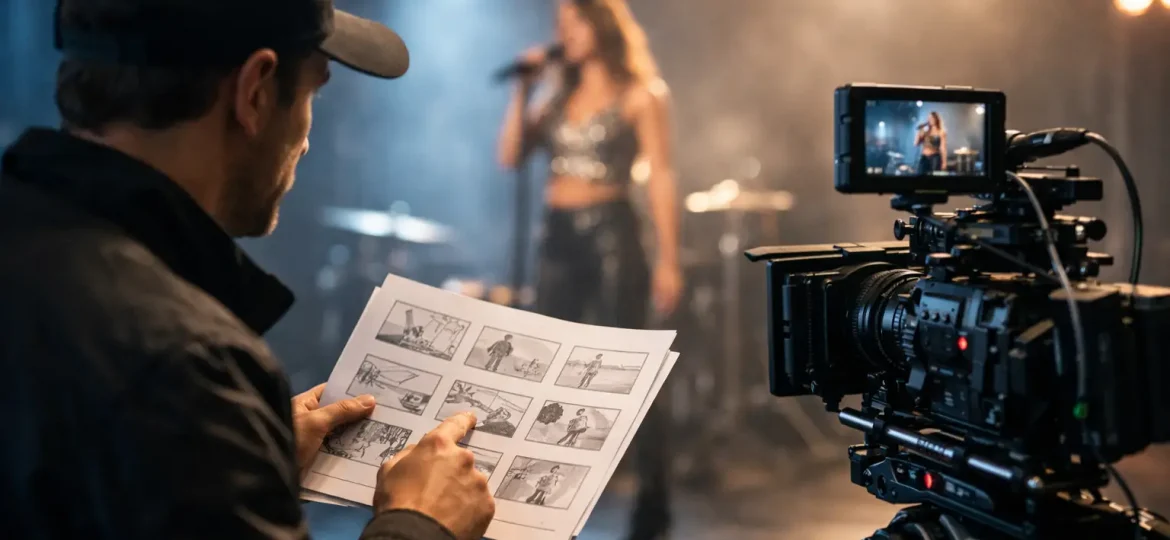
A music video can make a strong song feel bigger, sharper, and more memorable – or it can make a great track look rushed. That is why learning how to plan a music video matters before anybody hits record. Good planning saves money, keeps the shoot moving, and gives your song visuals that actually match the energy you worked hard to create.
How to plan a music video without wasting your budget
The biggest mistake artists make is starting with the camera instead of the idea. Gear matters, but concept comes first. If you do not know what the video is trying to say, where it is happening, and what the audience should feel, you will end up filming extra footage you do not need and paying for time that does not improve the final cut.
Start by asking a simple question: what is this song doing emotionally? Maybe it is aggressive, reflective, celebratory, romantic, or raw. Your video should serve that mood. A performance-heavy rap video needs a different plan than a cinematic R&B visual or an indie acoustic piece built around story.
This is also where honesty helps. Not every song needs a high-concept narrative with multiple actors and locations. Sometimes the strongest choice is a clean performance setup with strong lighting, smart framing, and a few visual motifs that support the track. A simpler idea done well usually beats an ambitious idea done halfway.
Start with the song, not the trend
It is easy to get pulled toward whatever style is popular online. Fast cuts, vintage filters, warehouse scenes, car shots, nightclub scenes – those can work, but only if they fit the record. Planning around trends instead of the song often dates a video quickly and makes the artist feel less original.
Listen to the track a few times and write down the images that come naturally. Pay attention to key lyrics, beat changes, and emotional turns. If the second verse gets darker, maybe the visuals should shift there too. If the hook feels explosive, that might be where your strongest performance shots belong.
Decide what kind of video you are making
Most music videos land in one of three lanes: performance, narrative, or concept-driven visuals. Performance videos focus on the artist delivering the song. Narrative videos tell a story. Concept videos lean on style, movement, art direction, and mood more than plot.
You can combine them, but be careful. Mixing all three can be effective if there is a clear reason, but it can also make the video feel scattered. If your budget is tight, picking one main lane keeps production cleaner and editing easier.
Build the concept before you book the shoot
Once you know the lane, shape the idea into something concrete. This does not have to be a long treatment filled with film-school language. It just needs to answer the practical questions that drive the day.
What locations make sense for the song? Who needs to be on camera? What wardrobe supports the look? What props actually matter? What time of day gives you the right lighting and mood? These choices affect cost, scheduling, and how polished the video feels.
A solid concept is specific. “We want it to feel cool” is not a plan. “We want a nighttime city performance with moody lighting, close-up energy shots, and one story scene that shows distance in a relationship” is a plan people can work from.
Mood boards help when words fall short
If you are struggling to explain the visual direction, gather reference images and a few example frames. This helps the team align on color, wardrobe, camera movement, and overall tone. It also reveals early if your vision is realistic for the budget.
References are useful, but they should guide the project, not replace original thinking. You do not want a copy of someone else’s video. You want a clear visual language for your own song.
Budget for the parts people forget
If you want to know how to plan a music video like a pro, look at the full cost, not just the camera rate. Artists often budget for filming and forget about permits, location fees, outfits, makeup, props, transportation, meals, and editing revisions.
Even a small shoot has moving parts. A cheap location that is hard to access can cost you more in delays. A free outdoor spot may sound great until weather changes or noise ruins your takes. A long shot list in too many places can burn through the day and leave you with weak footage from every scene instead of strong footage from a few.
This is where trade-offs matter. If your budget is limited, spend where it shows on screen. Strong lighting, a good location, and clean camera work usually matter more than packing the day with too many setups. One excellent setup can carry a whole video if it is styled and shot with intention.
Lock the logistics before shoot day
A good idea still falls apart without a real plan. Once the concept and budget are set, build the production schedule. This is the part that keeps the day from drifting.
Create a simple shooting outline with locations, call times, wardrobe changes, and the scenes or performance sections being captured at each stop. If the song has specific moments you want to match visually, note those ahead of time. Do not rely on memory when the day gets busy.
Make a shot list that matches the edit
You do not need to overcomplicate the shot list, but you do need one. Think in terms of what the editor needs to build rhythm. That usually means wide shots for context, medium shots for performance, close-ups for emotion, and a few detail shots that add texture.
Plan coverage for the hook, because that is often where the video gets its replay value. If there is a story element, make sure you capture transitions and reaction shots, not just the obvious action. Editors can solve a lot, but they cannot invent missing moments.
Choose locations that help the camera
A location should do more than look nice in person. It should photograph well, fit the mood, and work practically. Consider sound, space, power access, foot traffic, parking, and whether you need permission to film.
Two strong locations are often better than five average ones. Fewer moves mean more time shooting and less time loading gear, waiting on people, and losing momentum.
Prepare the artist for camera, not just music
A lot of first-time artists assume they can show up and perform to camera the same way they perform on stage. Sometimes that works. Often it does not. The camera picks up hesitation, stiffness, and uncertainty fast.
Before the shoot, rehearse the track enough that lip-sync performance feels natural. Test a few expressions, movements, and angles on your phone. Figure out what side you prefer, what kind of energy fits the song, and whether wardrobe moves well on camera.
This is also where grooming and styling matter. You do not need a huge glam budget, but you do need a clean, intentional look. Wrinkled clothing, distracting logos, and last-minute outfit choices can make a video feel smaller than it should.
Give yourself enough time for production and post
Rushed timelines create weak videos. If you are dropping a single on a certain date, work backward. Leave time for concept development, scheduling, the actual shoot, editing, color work, and revisions.
Post-production is where the footage becomes the final product. Fast edits can be effective, but only if the footage supports them. Effects can help, but they should not be used to cover up weak planning. If the concept is clear and the footage is intentional, the edit has something strong to build on.
One advantage of working with a team that understands both music and video is that the visual choices can stay connected to the record. That collaboration tends to produce better pacing, better performance direction, and a final result that feels more like one complete release than separate pieces stitched together.
How to plan a music video for release, not just production
The shoot is only part of the plan. Think about where the video will live and how it supports the song release. A full-length music video may be the main piece, but short edits, behind-the-scenes clips, and teaser moments can help the release stretch further.
That does not mean you need to force content for every platform. It means being intentional. If you know you want short promo clips, capture a few vertical-friendly shots during production. If you want strong thumbnails, plan for that too. These details are easier to get during the shoot than after it is over.
Artists in Houston and the surrounding areas often benefit from keeping the process tight – recording, visual planning, and production all moving in sync instead of in separate phases with separate teams. That kind of workflow usually cuts down on confusion and keeps the creative vision more consistent.
A well-planned music video does not have to be huge. It has to be clear. When the concept fits the song, the budget matches the plan, and the shoot is organized around real priorities, the final video has a much better chance of doing what it should: make people remember the artist. If you are serious about the release, treat the visual like part of the song, not an add-on at the end.
