

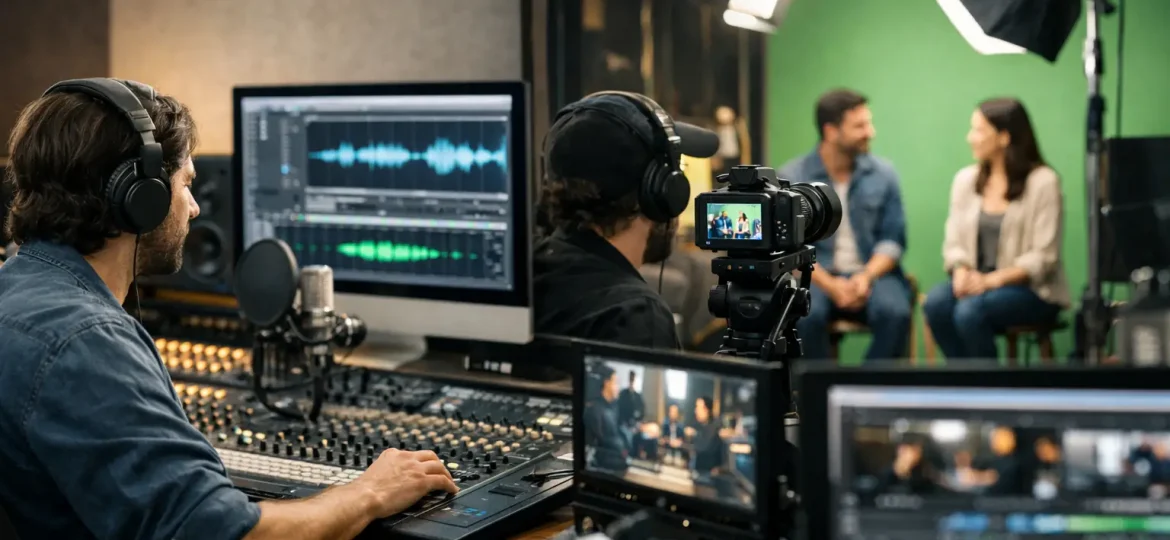
A strong song can lose impact with a flat recording. A great property can feel ordinary with shaky footage. And a wedding day moves too fast to leave its biggest moments to chance. An audio and video production studio gives creators, businesses, and families one place to turn important ideas and events into content that looks professional, sounds clear, and feels true to the moment.
For Houston-area artists, that can mean recording a vocal, building a full track, and creating a music video with a consistent visual identity. For a couple, it can mean wedding footage that captures the emotion without getting in the way of the day. For a real estate professional, it can mean video that helps a listing make a stronger first impression before a buyer ever schedules a showing.
The difference is not just having cameras, microphones, or editing software. It is having a creative partner who knows how to use those tools with a purpose.
Why Choose an Audio and Video Production Studio?
Audio and video are often treated as separate projects. An artist books studio time somewhere, then searches for a videographer later. A business hires someone to shoot footage, then figures out narration, music, and editing after the fact. That approach can work, but it can also create extra handoffs, inconsistent creative decisions, and more time spent explaining the same idea to different people.
Working with one studio for both services creates a clearer path from concept to finished content. The sound, visuals, pacing, and message can be planned together from the start. A music video can reflect the tone of the track. A real estate video can use music and voiceover that support the property instead of distracting from it. Wedding footage can be edited with audio that makes vows, toasts, and personal moments easy to hear and remember.
That does not mean every project needs a major production. Sometimes the right choice is a focused vocal session and a simple performance video. Other times, a bigger concept, additional locations, and more editing time are worth the investment. The best production plan depends on what the content needs to accomplish.
For Musicians, the Song Comes First
A polished release starts with more than pressing record. It starts with understanding the song. Is the vocal supposed to feel intimate, aggressive, smooth, or raw? Does the chorus need to hit harder? Is the artist bringing a finished arrangement, or do they need help shaping lyrics, melody, structure, and production?
Recording That Supports the Performance
Studio recording gives artists a controlled space to focus on delivery. Clean vocal capture, balanced instrumental tracks, and thoughtful takes give the final mix a better foundation. But technical quality alone is not enough. The best take is not always the first take, or even the most technically perfect one. It is the take that communicates the song.
This is especially valuable for first-time artists. Many performers know what they want to say but need help getting comfortable behind the microphone. A hands-on producer can offer direction on timing, phrasing, harmonies, and energy without taking ownership away from the artist.
At True Songs Productions, that creator-led approach matters. Owner William Lemuel brings the perspective of a lifelong musician and prolific songwriter to the process, helping clients develop ideas as well as record them. For artists who need more than a room and a microphone, that collaboration can move a song from a rough concept to a release-ready production.
Production Is a Series of Smart Choices
Music production is not about piling on effects until a track sounds expensive. It is about making choices that serve the song. A sparse arrangement may give a powerful lyric room to breathe. Layered vocals may create a larger hook. A live instrument may add character that a programmed sound cannot provide.
There are trade-offs. A highly produced track can sound big and current, but it may take longer to arrange and revise. A stripped-down recording can be faster and more personal, but every lyric and note has more exposure. Artists should decide early whether they need a demo, a finished single, an EP, or content for social promotion. That decision helps shape the session, budget, and timeline.
Video Should Carry the Same Idea
A music video does not need a complicated plot to make an impact. It needs a point of view. Sometimes that is a performance-focused video where the artist’s energy does the work. Sometimes it is a story that gives the lyrics another layer. Sometimes it is a clean visualizer or short-form performance piece built for frequent posting.
The most effective choice depends on the song and the audience. A personal acoustic track may call for close, natural footage. A high-energy rap or pop release may need movement, stronger lighting, and quick edits. A cinematic concept can create a memorable statement, but it also requires more planning, locations, talent, and production time.
Planning audio and visuals together makes these decisions easier. If a song has a dramatic beat change, the video can build toward it. If the lyrics tell a clear story, the shot list can reinforce key moments. If the artist needs several short clips after the full release, footage can be captured with those extra assets in mind.
Commercial Video Has a Different Job
Music videos express an artist’s identity. Commercial videography needs to make the viewer take action. That shift changes how a project should be planned.
For real estate, the goal is to show a property clearly while creating a feeling of space, light, and possibility. Wide shots establish the layout. Detail shots bring attention to finishes and features. Smooth movement helps viewers imagine walking through the home. The video should feel polished, but it should still represent the property honestly.
Wedding videography has a different responsibility. The goal is not to stage every moment. It is to preserve what happened while staying alert to the moments that cannot be repeated: a parent’s reaction, a private laugh before the ceremony, a meaningful toast, or the first few seconds after the couple walks back down the aisle. Good coverage requires preparation, but it also requires the judgment to anticipate real emotion.
In both cases, clear audio matters. A beautiful image loses value if vows are hard to understand or a spoken message is buried under background noise. An audio and video production team can plan for both from the beginning rather than trying to repair avoidable problems in editing.
How to Get More From Your Session
You do not need to arrive with every detail solved. You do need a starting point. Artists should bring reference tracks, lyrics, instrumental files, and a clear idea of what the finished song needs to do. If you are recording over an existing beat, make sure the file is high quality and ready to use.
For video projects, think beyond the general request. A couple can share the schedule, must-capture people, and meaningful moments. A real estate agent can identify the property’s strongest features and intended buyer. A musician can bring references for color, mood, wardrobe, and locations. These details help turn a broad request into a workable creative plan.
It also helps to be realistic about timing. Recording may require multiple takes and revisions. Video production includes planning, shooting, selecting footage, editing, and feedback. Faster is not always better, especially when the content represents your name, your music, or a milestone you cannot recreate.
The Right Studio Is More Than a Rental
Some clients only need a professional space and an engineer to capture what they have already prepared. Others need help writing, arranging, producing, filming, or shaping a concept from the ground up. Both needs are valid, and a good studio should be clear about what level of support a project requires.
Look for a production partner that listens first, communicates clearly, and can explain the process without burying you in technical language. You should understand what is being recorded or filmed, what happens after the session, and what the final deliverables will be. Creative work is personal, but the production process should not be confusing.
Bring the song that has been sitting in your notes app, the video idea you have been talking about for months, or the event you want to remember clearly. With the right preparation and the right creative support, it can become something people can hear, watch, and come back to long after the moment has passed.
