

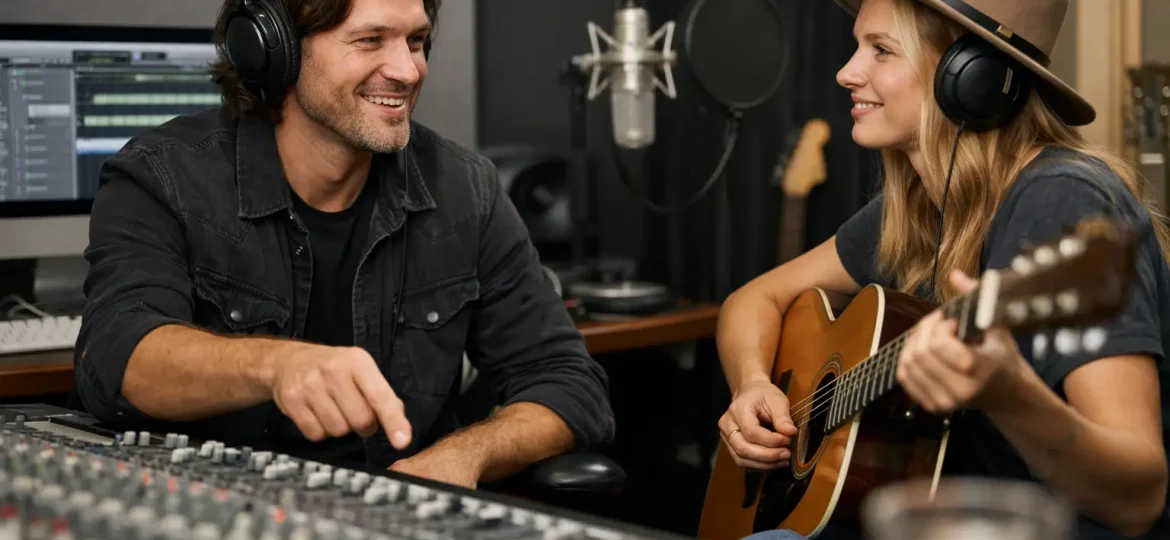
A great song can start with a voice memo, a guitar riff, a journal line, or a melody that will not leave your head. The hard part is turning that spark into a recording people want to hear again. A creative producer for songwriters helps close that gap by bringing musical direction, arrangement ideas, performance coaching, and practical recording experience into the same room.
That role is different from simply renting studio time. You are not just pressing record and hoping the song finds its way. You are working with someone who can hear what the song is trying to become, then help you make choices that support it.
A Creative Producer for Songwriters Brings the Song Into Focus
Songwriters often arrive with more than one version of a song in their heads. Maybe the lyric is finished but the chorus does not lift. Maybe the melody works acoustically, but the track needs a modern groove. Maybe you have a solid demo and cannot tell whether it needs a bigger bridge, fewer words, a key change, or a completely different feel.
A creative producer listens for the center of the song. What is the emotional point? What should the listener remember after the track ends? Is this a stripped-down story song, a driving country-rock record, an R&B vocal showcase, or a pop track built around a hook?
Those questions shape every decision that follows. The drum pattern, tempo, chord voicings, background vocals, instrument choices, and vocal delivery should all serve the same idea. Without that focus, it is easy to add parts that sound impressive on their own but distract from the lyric or melody.
A producer is not there to erase your point of view. The right collaboration should make your voice clearer. Sometimes that means confirming that your original arrangement is working. Other times, it means being honest that the intro takes too long, the chorus needs a stronger payoff, or the song would benefit from one more writing pass.
The Difference Between Production and Studio Rental
A recording studio gives you the space, equipment, and engineering needed to capture a performance. That matters. Clean audio, good microphones, proper monitoring, and careful editing can make a major difference in the final result.
Creative production adds another layer. It deals with the decisions before and during recording: how the song should move, where the vocal should sit, what instruments belong in the track, and how to make the performance feel believable. A producer may suggest changing a chord under one lyric, doubling a vocal in the final chorus, simplifying a verse, or cutting a section that slows the song down.
Neither approach is automatically better. If you already have a fully developed arrangement, a band, and a clear sonic plan, studio rental may be exactly what you need. If you are still shaping the song, want a trusted second set of ears, or need help translating a demo into a finished record, creative production is usually the better fit.
The best projects often combine both. You bring the song and your artistic vision. The producer helps develop the plan, record it professionally, and keep the session moving toward a finished track.
What Happens Before the Recording Session
Good production starts before the first microphone is set up. A short planning conversation can save hours of studio time and prevent the session from becoming a series of expensive guesses.
First, identify the goal for the song. Are you creating a polished release for streaming platforms, a demo for pitching, a performance track, or a video-ready single? A demo can be simple if it communicates the song clearly. A commercial release may need more detailed arrangement work, vocal production, editing, mixing, and mastering.
Next, talk about references. Reference songs are not templates to copy. They are useful ways to communicate feel. You may like the intimacy of one singer-songwriter record, the low-end energy of another track, and the vocal clarity of a third. Those references help set expectations for tempo, instrumentation, dynamics, and overall mood.
It also helps to be realistic about budget and timeline. Some songs need a fast, focused session. Others need multiple writing revisions, live players, layered vocals, or video content after the audio is complete. A clear plan lets you spend where it matters most instead of rushing the final details.
Arrangement Is Where a Song Becomes a Record
A song and a record are related, but they are not the same thing. The song is the lyric, melody, harmony, and core structure. The record is how those elements are presented to a listener.
Arrangement turns the song into a listening experience. It decides when the drums enter, whether the first verse is sparse, how much energy the pre-chorus builds, and whether the last chorus needs a new vocal line or instrumental lift. Small choices can change the impact of the entire track.
For example, a songwriter may play every chord from beginning to end on acoustic guitar. That works well in a live room, but a recorded version may benefit from leaving space in the first verse, bringing in bass at the pre-chorus, and saving the full guitar part for the chorus. The lyric gets more room, and the song has somewhere to go.
There is a trade-off here. More production is not always better production. A powerful lyric can lose its weight under too many instruments. A producer should know when to build and when to leave the track alone. The goal is not to make every song sound big. The goal is to make each song sound right.
Vocal Coaching Without Losing the Personality
Many independent artists worry that coaching will make their performance sound polished but less personal. It should do the opposite. Strong vocal production helps preserve the character that made the song worth recording in the first place.
That may include choosing the right key, finding a more comfortable melody in one phrase, recording doubles for strength, or trying a softer delivery where the lyric needs vulnerability. It can also mean doing several takes and selecting the lines that carry the most feeling, rather than relying on one technically perfect pass.
A good producer pays attention to more than pitch. Timing, phrasing, breath, tone, and emotional intention all matter. A listener may not know why a vocal connects, but they can hear when it does.
Why Collaboration Helps Songwriters Finish More Music
Writing alone is valuable. It gives you room to experiment without pressure. But isolation can also make it difficult to know when a song is actually finished. You may keep revising a verse that was already strong, or overlook a simple change that would make the chorus land harder.
A creative partner brings perspective without taking ownership of your work. They can ask the useful questions: Does the title arrive soon enough? Is the hook clear? Is the second verse adding new information? Does the production match the story? Those questions are not criticism for its own sake. They are part of protecting the song from weak decisions.
At True Songs Productions, that collaboration comes from a musician and songwriter who understands both sides of the room: the person bringing in an unfinished idea and the producer responsible for helping it become a polished final product. That hands-on approach can be especially valuable for first-time artists who want direction without feeling talked over.
Audio and Video Should Support the Same Artist Identity
Once the song is finished, many artists face a second challenge: how to present it. A strong release needs more than an audio file. It may need a performance video, music video, social clips, live session footage, or visual content that gives listeners another reason to stop and pay attention.
Planning audio and video together can make the process more efficient. If a song has a specific mood, location, wardrobe idea, or visual story, those details can inform the music video concept early. You do not need a massive budget to create something effective. A clear performance, thoughtful lighting, and a visual direction that fits the song can go much further than a complicated concept with no connection to the music.
The same principle applies to your artist brand. If your music is intimate and lyric-driven, your visuals should not feel disconnected or overly flashy. If your sound is energetic and performance-focused, the video should carry that energy. Consistency helps people understand who you are as an artist.
Choosing the Right Producer Relationship
Before booking a session, ask how involved you want the producer to be. Do you need someone to help finish the writing? Build the instrumental? Direct vocals? Work with your existing band? Mix the final record? Clear communication upfront makes for a better session.
You should also be comfortable sharing unfinished ideas. The best production work often begins before a song feels complete. If you wait until every choice is locked, you may miss the benefit of collaboration. At the same time, you should never feel pressured to make changes that do not serve your identity as a writer and performer.
Bring your lyrics, voice memos, rough demos, reference tracks, and honest goals. Then give the process room to work. The right creative producer will not simply make your song louder or more complicated. They will help make it more believable, more focused, and more ready for listeners.
Your next song does not need to arrive fully formed. It just needs a clear idea, a real point of view, and the right people in the room to help it become something worth releasing.
