

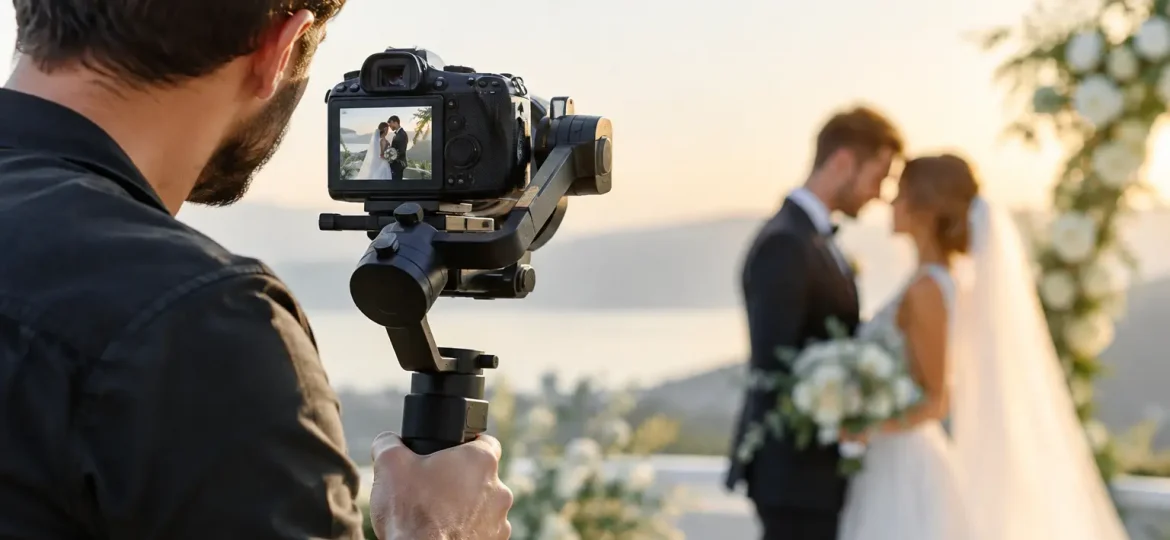
The first look lasts a few minutes. The dance with your parents passes even faster. A strong wedding video gives those moments room to live again, with the sound, expressions, and little reactions that photos cannot fully capture. Choosing among the best wedding video styles is not about following a trend. It is about deciding how you want your day to feel when you press play years from now.
A wedding film can be elegant and cinematic, relaxed and observational, fast and music-driven, or intentionally nostalgic. The right choice depends on your personalities, venue, schedule, and what you value most: the emotion of real moments, a polished visual experience, or a little of both.
The Best Wedding Video Styles and What They Feel Like
1. Cinematic wedding video
Cinematic wedding films are polished, emotional, and designed to feel like a short movie. They often use carefully composed shots, slow motion, professional color grading, music, and selective audio from vows, speeches, or letters. A cinematic edit pays attention to pacing. It builds anticipation before the ceremony, lands on key emotional moments, and finishes with a strong sense of closure.
This style works beautifully for couples who want their wedding to look elevated without losing its personality. It is especially effective at venues with great natural light, dramatic architecture, open landscapes, or a well-planned reception design.
The trade-off is that cinematic coverage benefits from time. If you want quiet portraits, detail shots, and a few intentional moments with your partner, build that space into the timeline. It does not have to take over the day, but a rushed schedule limits what any videographer can create.
2. Documentary wedding video
Documentary wedding video focuses on what actually happened. The camera captures the nervous laugh before the ceremony, your friends fixing a dress strap, the full exchange of vows, and the speeches your family will want to hear again. Rather than staging moments, the videographer observes and records the day as it unfolds.
This is a smart choice for couples who care most about complete memories and authentic audio. It can include a longer ceremony edit, full speeches, or a chronological feature film that lets the day breathe. The visual approach can still look professional and beautiful, but the priority is honesty over heavily directed shots.
If you are camera-shy or do not want a lot of posed footage, documentary coverage can feel more natural. Ask how the team captures clean audio and whether important events will be delivered in full. A beautiful highlight reel is meaningful, but it is not the same as having your father’s entire toast preserved.
3. Storytelling wedding film
A storytelling wedding video builds the edit around your relationship, not just the event schedule. Your vows may provide the emotional thread. A voice recording from a letter, a meaningful speech, or a short interview can add context that makes the film feel distinctly yours.
This style is often confused with cinematic video because both can look polished. The difference is in the structure. A cinematic film may be led by visual mood and music, while a storytelling film uses words and real sound to explain who you are and why the day matters.
It is a strong fit when you have personal vows, a family story, a long-distance relationship, or a celebration with meaningful cultural traditions. The best results come from being open with your video team before the wedding. Share what matters to you, who should be featured, and any moments that carry extra weight.
4. Music video style
For couples who want energy, movement, and a modern edge, a music video-style wedding film can be a lot of fun. The edit is driven by the beat of a song, with quick cuts, lively dance floor footage, stylish transitions, and a strong sense of momentum. It can feel less like a traditional wedding record and more like a celebration you want to replay with friends.
This approach makes sense for a high-energy reception, a party-focused guest list, or couples with a real connection to music. Song choice matters. A track can shape the entire emotional tone of a three- to five-minute film, so make sure the music reflects you rather than simply chasing what is popular online.
The limitation is that fast edits can leave less room for dialogue. Many couples solve that by choosing a music-driven highlight film along with separate ceremony and speech edits. You get the excitement of a punchy final film without losing the words that matter.
5. Editorial wedding video
Editorial wedding video takes cues from fashion campaigns and luxury magazines. It favors clean composition, intentional movement, visual details, and confident portraits. Think of the close-up of a veil moving in the wind, a sharp shot of formalwear, or a carefully framed walk through an elegant venue.
This style fits couples who have invested in design and want the film to showcase it. It is particularly effective for formal weddings, stylish city venues, and celebrations with a clear visual concept. The photographer and videographer should work well together here, since both teams may need a few planned moments to create polished portraits.
Editorial does not have to mean stiff. The best version still has laughter, connection, and life. It simply gives the day a more refined visual language.
6. Vintage or Super 8-inspired video
Vintage wedding video uses film grain, softer colors, light leaks, handheld movement, or actual Super 8 footage to create a warm, nostalgic feel. It can make a new wedding look like a memory from another era, which is exactly why many couples love it.
This style is a natural match for garden weddings, outdoor celebrations, intimate gatherings, and couples drawn to timeless rather than ultra-clean visuals. Used in short sections, vintage footage can add texture to a modern film. Used for the entire project, it creates a more distinct artistic statement.
Be clear about whether you want true film, digital footage with a vintage-inspired treatment, or a mix of both. Real film has a unique character, but it also comes with practical limits in shooting time, sound capture, and cost. An experienced team will explain the difference before you commit.
7. Social-first wedding content
Social-first coverage is built for quick sharing. It may include vertical clips, behind-the-scenes moments, short reception videos, and next-day teaser content designed for phones. This is not a replacement for professional wedding cinematography, but it can be a useful add-on for couples who want to share the excitement while the full film is being edited.
The best social content feels candid instead of overproduced. A few short clips of the first look, champagne toast, entrance, and dance floor can give you something immediate to enjoy without asking guests to put their phones away all night.
Make sure roles are clear. Your main wedding videographer should remain focused on capturing the core events, audio, and film-quality shots. A separate creator or a defined social-content plan prevents important moments from becoming a scramble.
8. Same-day edit
A same-day edit is a short film shown at the reception, usually later in the evening. Guests see footage from getting ready, the first look, and the ceremony while the day is still happening. It creates a big emotional reaction and can turn the reception into an even more memorable experience.
This style requires serious planning, a capable production team, and a reception timeline that supports it. It also means editing begins immediately, so the crew needs enough people to keep filming while another editor works. If the presentation itself matters to you, confirm the venue’s screen, sound system, and setup well in advance.
9. The hybrid wedding film
For many couples, the best answer is not one style. It is a hybrid. A film can use cinematic visuals, documentary audio, and a music-driven reception section. You can have a short highlight reel for sharing, a longer story edit for yourselves, and full ceremony and speech footage for the family archive.
A hybrid approach gives you flexibility without making the final film feel scattered. The key is choosing one main direction first. If the heart of your video is real emotion and spoken vows, let that guide the edit. If you want a high-fashion visual experience, make that the foundation and layer in personal audio where it adds value.
How to Choose a Wedding Video Style That Fits
Start with a simple question: when you watch this film in ten years, what do you most want to feel? If the answer is the emotion of your vows and the people in the room, lean documentary or storytelling. If you picture a visually stunning film set to music, cinematic or editorial may be the better fit. If your guests know the dance floor will be the main event, a music video approach deserves a look.
Then consider the realities of the day. A quiet courthouse ceremony and a 300-person ballroom reception call for different coverage. A tightly packed schedule may favor an observational style, while a longer portrait window opens the door to more cinematic and editorial footage. Neither is better. The goal is a video plan that supports your wedding instead of pulling you away from it.
Finally, watch full samples, not only short highlights. Ask how audio is recorded, what is included in the final delivery, how the team handles low light, and whether they work collaboratively with photographers and planners. Clear answers matter as much as a beautiful demo reel.
Your wedding film should not feel like someone else’s idea of a perfect day. It should sound like your voices, move at your pace, and bring you back to the people and moments that made the celebration yours. When you are ready to shape that vision into a polished film, True Songs Productions can help make it real.
